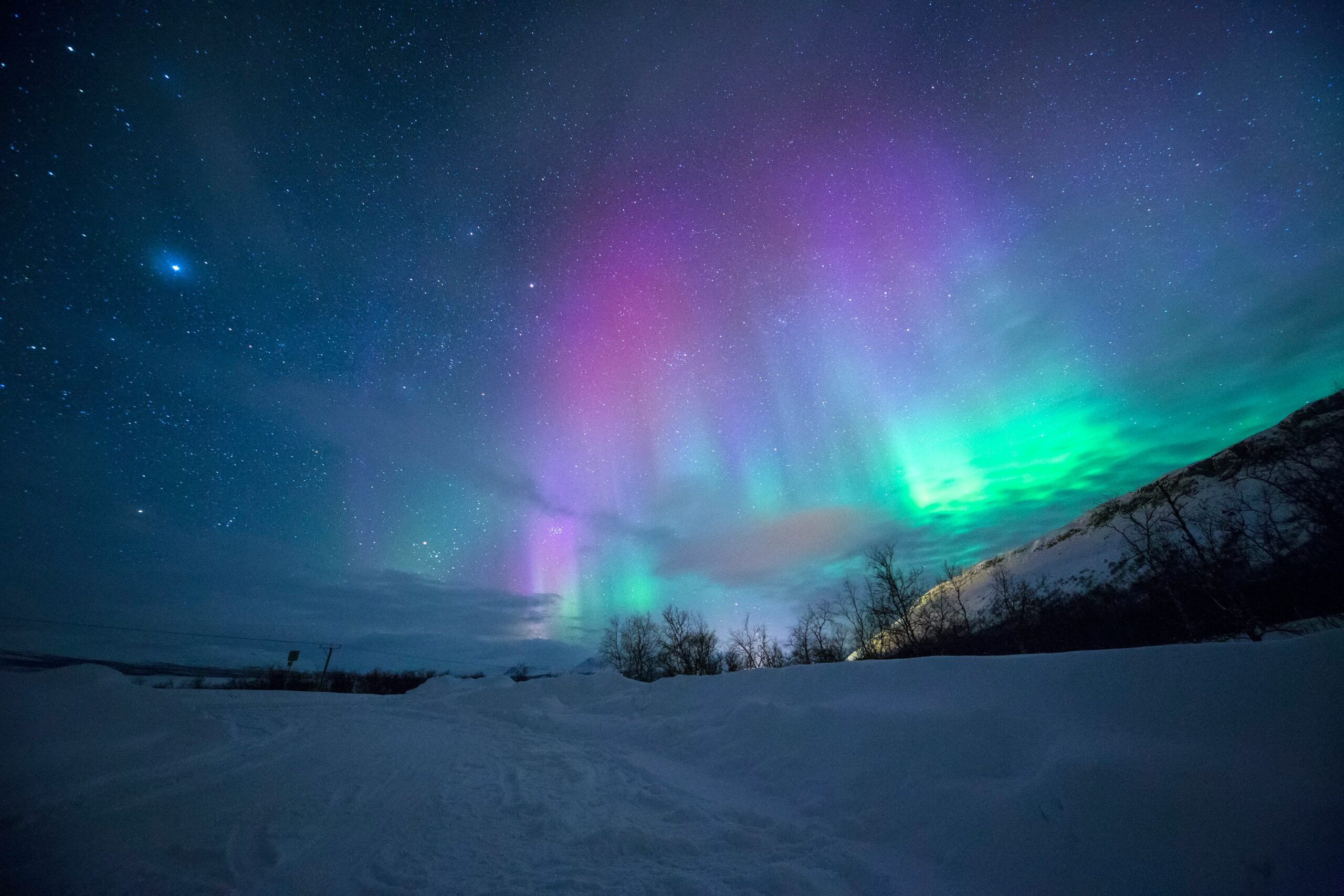
If seeing the Northern Lights (Aurora Borealis) is on your bucket list, there has never been a better time to plan your trip. We are currently in the midst of a Solar Maximum—the peak of the sun’s 11-year activity cycle. This means the auroras are more frequent, more vibrant, and visible much further south than usual. It’s the best time to look for the best country to see the Northern Lights.
While several Arctic nations offer spectacular views, each has a unique “vibe.” Here is the breakdown of the best countries to see the Northern Lights in 2026.
1. Norway: The Most Reliable All-Rounder

Norway is often cited as the top destination for aurora chasers because of its accessibility and relatively mild Arctic climate, undeniably a contender for the best country to see the Northern Lights.
- Top Spot: Tromsø. Known as the “Gateway to the Arctic,” it sits directly in the center of the auroral oval.
- Why It’s Best: The Gulf Stream keeps the coastal regions of Northern Norway much warmer than inland Canada or Russia, making those late-night vigils more comfortable.
- Best For: Travelers who want a mix of city life (festivals, dining) and wilderness adventures.
2. Iceland: The Most Dramatic Backdrop
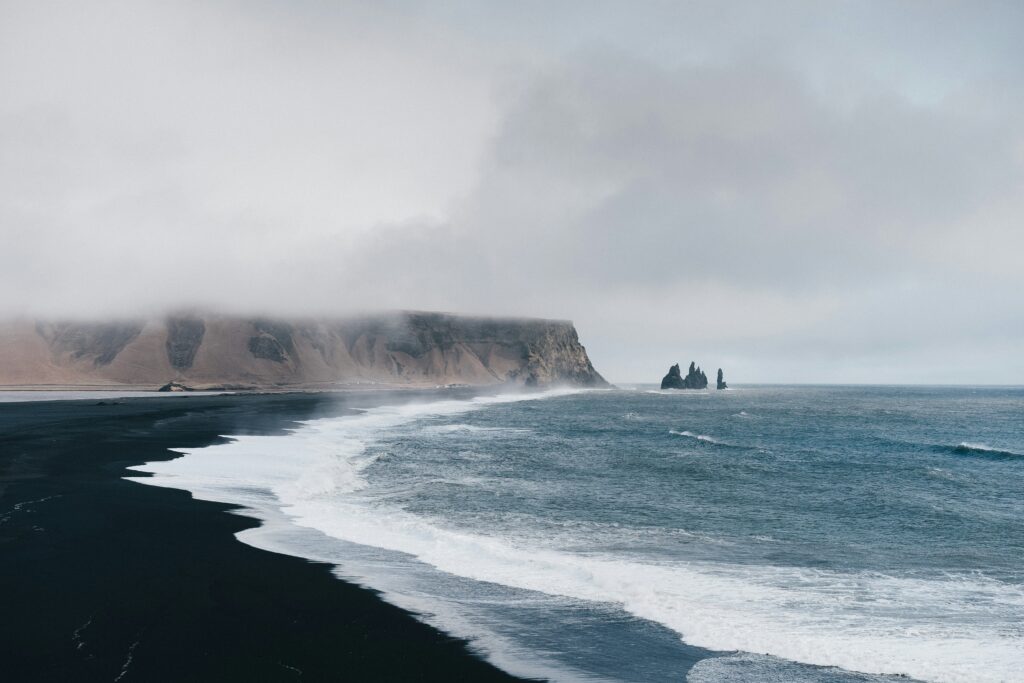
In Iceland, the landscape is just as mesmerizing as the sky. Unlike other countries where you must travel far north, the lights can be seen from almost anywhere on the island.
- Top Spots: Kirkjufell Mountain, Jökulsárlón Glacier Lagoon, and Vik.
- Why It’s Best: You can pair your aurora hunting with black sand beaches, thundering waterfalls, and steaming geothermal lagoons.
- Caveat: Iceland’s weather is notoriously fickle; clouds can roll in quickly and block the view.
3. Finland: The Ultimate Bucket List Experience
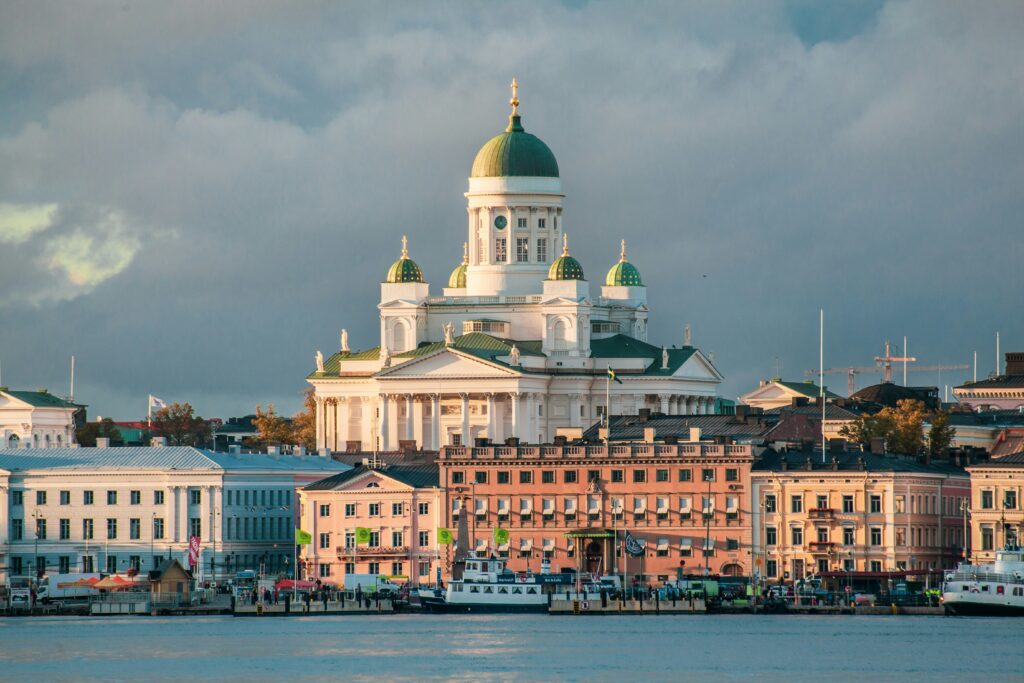
If your dream is to watch the lights from the comfort of a bed, Finland is your destination.
- Top Spot: Finnish Lapland (Rovaniemi, Levi, and Inari).
- Why It’s Best: Finland pioneered the glass igloo concept. Destinations like Kakslauttanen allow you to sleep under a transparent roof, perfect for families or romantic getaways.
- Best For: Families (visit Santa Claus Village during the day) and those seeking luxury.
4. Canada: The Wilderness Choice
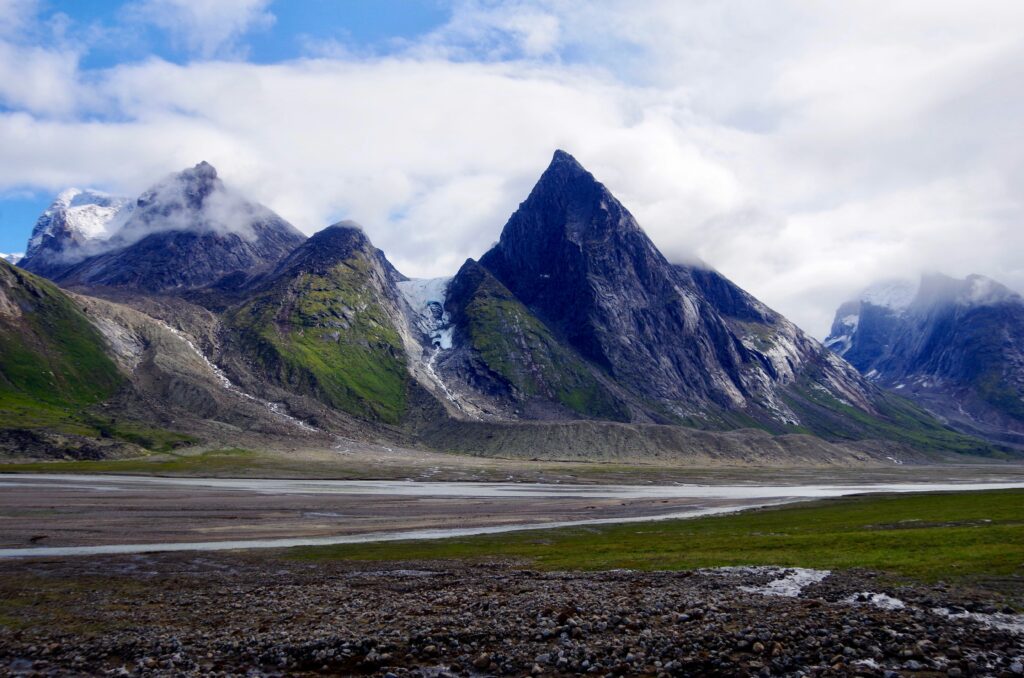
For pure, dark skies and minimal light pollution, Canada’s northern territories are hard to beat.
- Top Spot: Yellowknife (Northwest Territories) and Churchill (Manitoba).
- Why It’s Best: Yellowknife is famous for its flat terrain and dry climate, which leads to incredibly high percentages of clear nights—boasting activity over 200 nights a year.
- Best For: Hardcore photographers and adventurers who don’t mind the extreme cold.
5. Sweden: The Best Microclimate
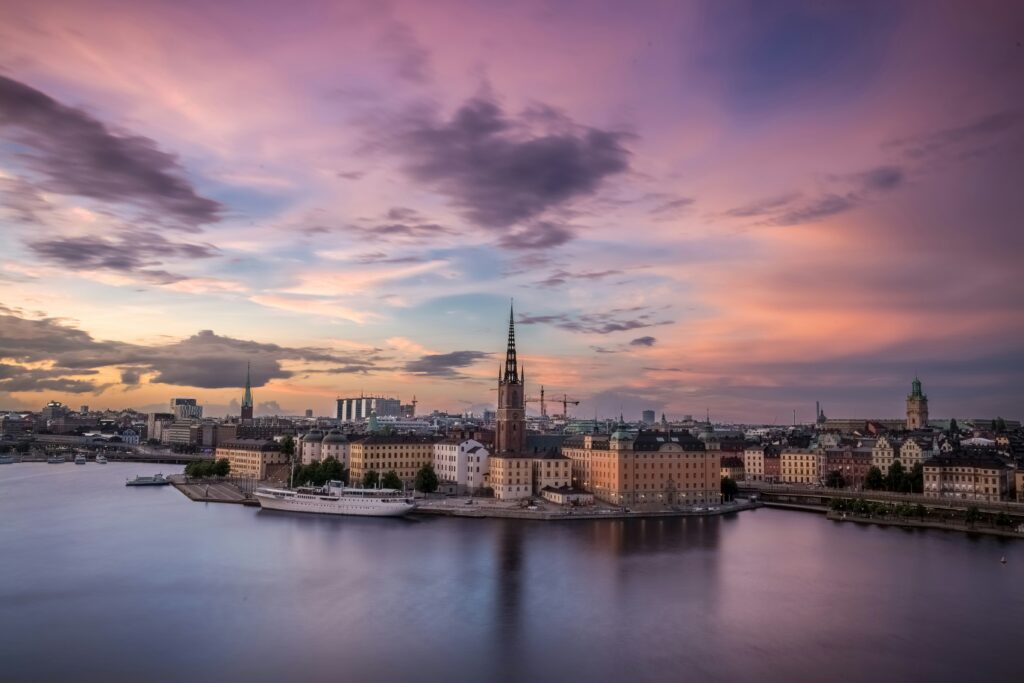
Sweden is home to one of the most unique aurora-watching spots in the world.
- Top Spot: Abisko National Park.
- Why It’s Best: Abisko is home to the “Blue Hole,” a patch of sky that tends to stay clear even when surrounding areas are cloudy, thanks to the surrounding mountains that create a unique rain shadow.
- Best For: Those who want to maximize their statistical chances of a clear sky.
At a Glance: Which Country is Right for You?
| Country | Best For | Typical Weather | Accessibility |
| Norway | Ease & Comfort | Mild Arctic (20°F to 30°F) | Excellent |
| Iceland | Photography | Volatile & Windy | High |
| Finland | Glass Igloos | Very Cold (-10°F to 10°F) | Moderate |
| Canada | Clear Skies | Extreme Cold (-20°F to 0°F) | Remote |
| Sweden | Clear Skies | Cold & Dry | Moderate |
Pro-Tips for Your 2025 Aurora Trip
Avoid the Full Moon: A bright moon can “wash out” a faint aurora. Plan your trip during a New Moon for the darkest possible skies.
Timing is Everything: Aim for the Equinoxes (late September and late March). Statistically, geomagnetic activity is highest during these months.
Stay at Least 3–4 Nights: Visibility depends on the weather. Giving yourself a multi-night window significantly increases your chances of a successful sighting.
Monitor the Kp-Index: Use apps like University of Alaska’s Aurora Forecast or NOAA’s Aurora Forecast to track solar activity in real-time.